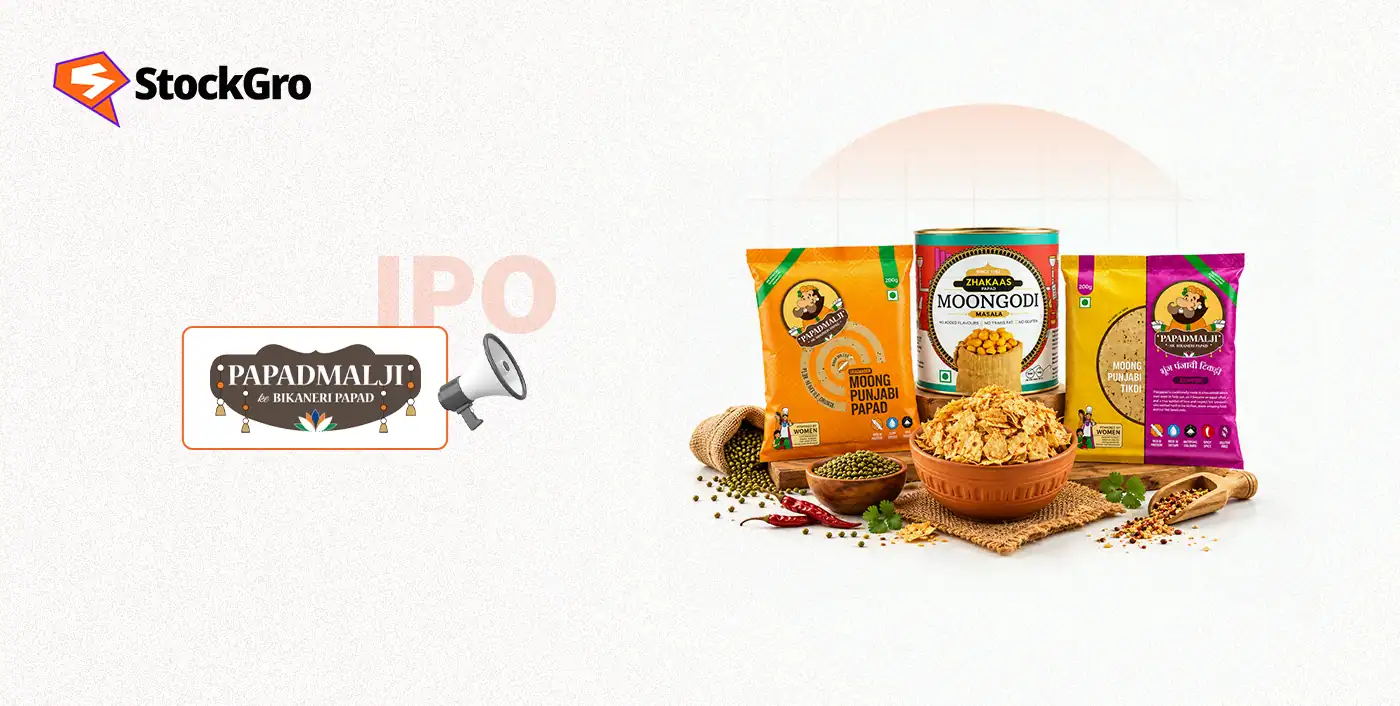
Phase 1: The Capital Raise & Issue Recap For institutional desks and retail allocators actively tracking the latest ipo information, attention shifts decisively to the primary clearing milestone for Papadmalji Agro Foods Limited. The Bikaner-based traditional snacks and FMCG manufacturer officially concludes its ₹20.18 crore BSE NSE IPO (specifically routed through the NSE SME platform). Structuring the capital raise across an ₹18.52 crore fresh equity issuance alongside a ₹1.66 crore Offer for Sale (OFS) at the upper price band of ₹72 per share, proceeds are strategically earmarked to fund escalating working capital requirements and retire debt. With the order book finalized, market focus transitions entirely from bidding accumulation to administrative allocation mechanics.
Phase 2: Subscription Velocity & Allotment Probabilities Determining exactly what investors gain today requires evaluating the mathematical structure of the order book against the heavy capital filter of the SME platform. The Papadmalji Agro Foods subscription status reflected measured, institutional-led pacing across its bidding cycle.
Because the issue strictly mandates a minimum retail application of two lots (3,200 shares) requiring a substantial upfront commitment of ₹2,30,400 at the ₹72 price band, grassroots speculative churn was effectively filtered out. With Qualified Institutional Buyers (QIBs) anchoring the aggregate book and retail participation pacing deliberately, valid retail applicants do not face the extreme statistical dilution seen in high-volume micro-lot issues. Bidders who committed the required ₹2.30 lakh maintain an exceptionally high mathematical probability of securing a full base allotment lot.
Phase 3: Shadow Market Reality & Post-Allotment GMP Parallel off-market secondary dealing networks mirror this disciplined on-exchange bidding dynamic:
- Dealing desks establishing the baseline ipo gmp report a quiet, disciplined forward market with minimal speculative bidding.
- Syndicate desks analyzing the ipo gmp live stream emphasize that unlisted allocators are carefully weighing the firm's robust 55.15% ROE against the heavy entry threshold.
- Mapped against the broader upcoming ipo gmp matrix, this packaged foods counter exhibits flat pricing consolidation.
- With the gmp today holding steady at exactly +₹0 per share above the ₹72 cap, the unofficial grey market premium indicates an expected opening print of precisely ₹72.
- Dissecting the exact ipo grey market premium today translates to an implied listing markup of 0.00%.
- Unlike the euphoric swings routinely chased in the mainboard ipo gmp segment, this zero-spread gmp ipo dynamic signals that immediate listing-day arbitrage is off the table.
- If you watch this counter into listing day, secondary price discovery will depend on operational progress in scaling machine-made production and expanding FMCG distribution channels rather than an artificial opening-bell pop.
Phase 4: Clearing Protocol & How to Check Status With the basis of allocation scheduled for execution, backend clearing operations are underway. Processing and auditing for this centralized bid ledger are being handled directly by the designated MAS Services registrar team.
Allocators can verify their individual mandate outcomes through the following protocol:
- Navigate to the official MAS Services IPO allotment portal (or the designated NSE SME allotment tracking page).
- Select "Papadmalji Agro Foods Limited" from the dropdown list of active corporate issues.
- Choose your verification identifier: Permanent Account Number (PAN), Application Number, or Demat Account Number (DP ID/Client ID).
- Enter your details, complete the security captcha, and submit to view your final allocated share quantity.
Phase 5: Settlement Timeline & Listing Runway Following the allocation finalization, the banking syndicate will process electronic mandate unblocking (refunds) and direct bank account credits. Successful applicants will see the credited equity shares reflect in their demat accounts prior to the closing cutoff. This administrative clearing sequence readies the counter for its official secondary market debut on the NSE SME platform.